
The Power of Office Design: How Workspaces Influence Productivity and Morale
In today’s competitive business landscape, office design is no longer just about aesthetics—it’s a strategic tool that directly influences how employees feel, think, and perform. This article explores the deep connection between workspace design and employee productivity, morale, and wellness. From ergonomic furniture and lighting to color psychology, air quality, and biophilic elements, we break down the key design factors backed by research that can transform your office into a high-performance, people-first environment.
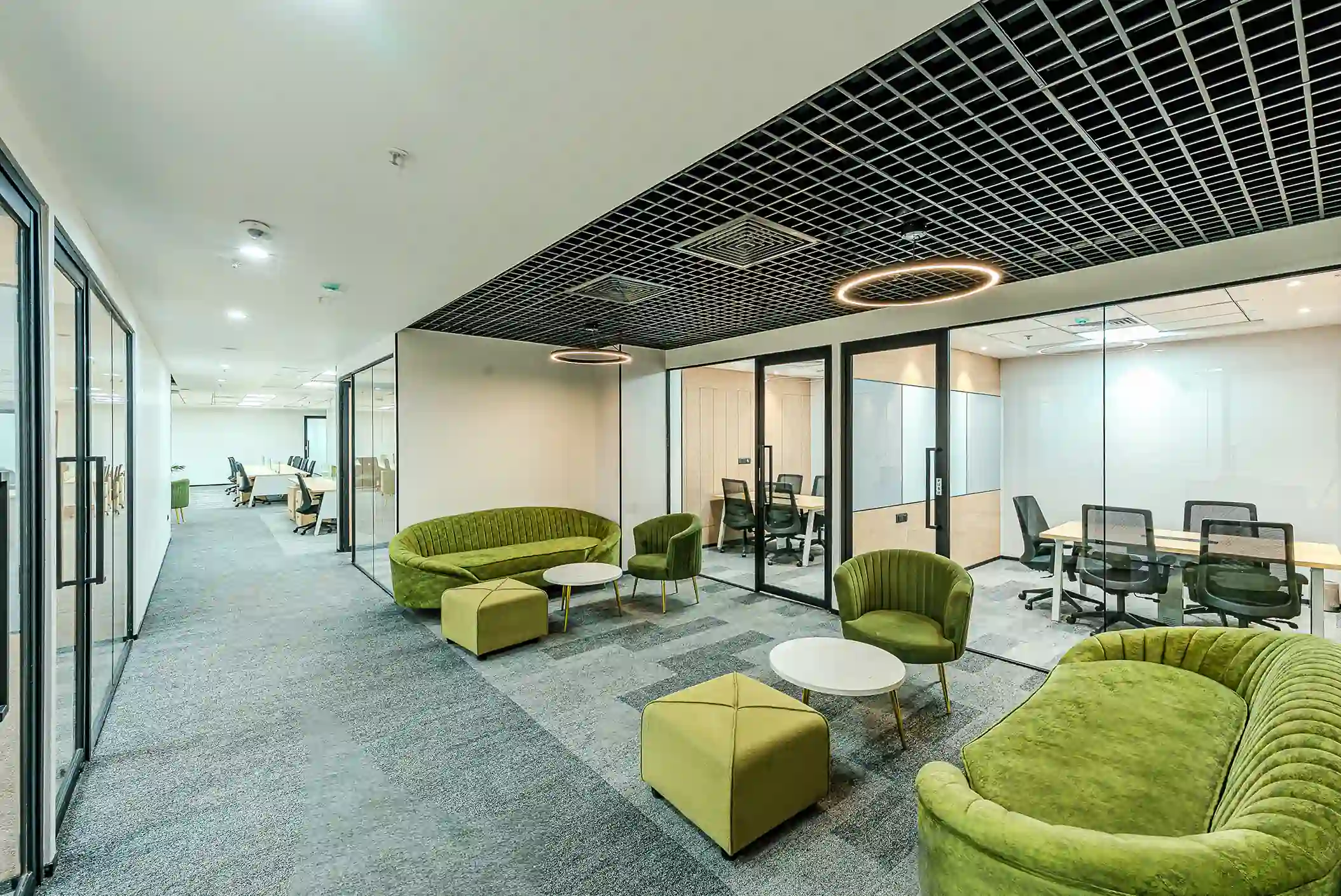
Why the Chair You Sit On Might Determine Your Output
You sit for hours—days, months, years. But is your body supported or strained?
According to the Occupational Safety and Health Administration (OSHA), poor ergonomics are directly linked to fatigue, discomfort, and even long-term injury. Yet when companies invest in adjustable chairs, sit-stand desks, and posture-friendly setups, something remarkable happens: absenteeism drops, and output rises.
Not just by a little. By 75% in some cases.
It’s not just about cushioning your back. It’s about sending a message: You matter. Your comfort matters.
The Science of Shade: What Color Can Do to Your Brain
Look around. What color is your office wall?
Now, ask yourself—how do you feel in this room?
Research shows the colors that surround us influence our mood and focus far more than we realize. Soft blues and greens lower our heart rates and promote calm thinking. Bursts of orange and yellow? They ignite creativity, energy, spontaneity.
Psychologists call it color psychology. Designers call it intentional space. Workers simply call it “a better place to think.”
No paint bucket is neutral when it comes to human behavior. The best offices know this—and wield color like a performance-enhancing tool.
Let There Be (Natural) Light
The most powerful productivity booster in your office might not be a new app or faster internet. It’s the sun.
A landmark study by Northwestern University found that employees exposed to natural daylight sleep nearly 46 minutes more each night—and arrive at work feeling recharged and mentally alert.
Why? Because natural light helps regulate our circadian rhythms, the internal clocks that keep our minds sharp and moods stable.
And when windows are scarce? Smart lighting that mimics daylight can still do the trick—offering clarity without the strain of flickering fluorescents.
When Silence Speaks Louder Than Buzz
For years, open-plan offices were all the rage—symbolic of collaboration, transparency, and energy. But reality paints a different picture.
A study by the University of California revealed that constant interruptions in open layouts can reduce productivity by up to 66%. The open floor plans meant to inspire connection often left employees craving quiet, focus, and—ironically—privacy.
The new gold standard? Activity-based workspaces—offices divided into clearly defined zones: one for deep concentration, another for informal huddles, others for meetings, phone calls, or simple solitude.
Because sometimes, the best collaboration comes after a moment of silence.
Plants, Purifiers, and the Power of Breathing Easy
You may not see it, but you’re breathing it. And in many offices, that’s a problem.
CO₂ buildup, stale air, and poor ventilation can silently drain employees of energy, clarity, and motivation. Harvard researchers found that improved indoor air quality boosts decision-making performance by over 60%.
The fix? Better HVAC systems. Real-time air quality sensors. Indoor plants. Living walls. Even a humble potted fern has been shown to increase productivity by 15%.
That’s right—just one plant per desk.
Wellness Is Not a Perk—It’s a Strategy
A standing desk isn’t just a trendy accessory. It reduces back pain. A quiet corner with warm lighting isn’t indulgence—it’s where burnout is prevented. A calm, plant-filled room with essential oils and yoga mats isn’t fluff. It’s neuroscience.
Workplaces today are waking up to a simple truth: Happy, healthy employees do better work.
And when companies infuse wellness into the DNA of their design—through ergonomic furniture, biophilic spaces, nap pods, calming music, or access to sunlight—they aren’t just improving morale. They’re building a culture of sustainable performance.
Let People Make the Space Their Own
There’s something powerful in a photo frame, a favorite mug, or a quote pinned to a corkboard. These aren’t just objects—they’re signals of ownership, identity, belonging.
When employees can personalize their spaces, studies show they report greater job satisfaction and emotional connection to their work. Even in hot-desking or hybrid models, allowing people to digitally “claim” their space can make all the difference.
Because when people feel at home, they work like they own the place.
A Desk Is Not Just a Desk. It’s a Signal.
What kind of company do you want to be?
Because your office is already answering that question. Whether consciously or not, your space is shaping how your employees think, feel, and perform.
When design prioritizes people, companies flourish. When space is intentional, so is the work done within it.
It turns out, productivity doesn’t just come from motivation, KPIs, or team meetings. Sometimes, it starts with a well-placed plant. A shaft of morning light. A quiet room. A chair that finally fits.
And that’s not decoration. That’s design with purpose.
The Numbers Tell the Story:
+15% productivity from having indoor plants
+61% cognitive function in well-ventilated spaces
+75% reduction in injury-related absences due to ergonomic improvements
46 min more sleep per night from access to natural daylight
Final Word:
Designing a better office isn’t about luxury. It’s about intention. Every light fixture, layout choice, and texture shapes not just how people work—but how they feel about working. And when employees feel good, the results speak for themselves.
In the office of tomorrow, every square foot matters. Because every person does.